When it comes to real estate, homeowners invest considerable effort and resources to maintain or increase their property’s value. However, certain factors can unexpectedly lead to a house being devalued. Understanding what contributes to a decline in home value can help homeowners avoid costly mistakes and make smarter choices, especially when considering improvements like Fall renovation projects. In this article, we will explore the primary reasons that a house might lose value and how to protect your investment.
Poor Maintenance and Neglect
One of the biggest contributors to a drop in home value is poor maintenance. Signs of deferred upkeep—such as a leaking roof, peeling paint, mold growth, and outdated electrical or plumbing systems—can scare off potential buyers during a sale. These problems often signal expensive repairs ahead, prompting buyers to negotiate a lower price or look elsewhere altogether.
During your fall renovation projects, prioritize fixing any existing damage rather than focusing solely on cosmetic updates. Regular maintenance protects your home’s structural integrity and prevents small issues from escalating into major devaluation factors.
Over-Personalization and Unusual Design Choices
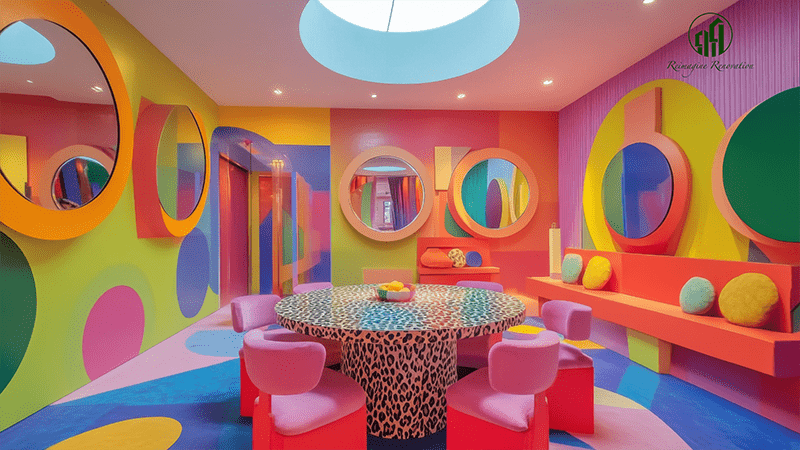
While making a house feel like home is important, too much customization can limit your property’s appeal. Unique, overly personalized décor or unconventional layouts may turn potential buyers away. For example, converting a bedroom into a home gym or painting rooms in bold, uncommon colors can reduce the home’s marketability.
Homeowners planning fall renovation projects should aim for neutral tones and flexible spaces that appeal to a broad range of buyers. Simplicity and versatility help maintain or improve property value.
Location-Related Issues
No matter how well-maintained a property is, factors beyond your control, such as neighborhood decline, proximity to industrial zones, or increasing crime rates, can devalue a house significantly. If local schools, amenities, or infrastructure deteriorate, this too will impact your home’s desirability.
If you notice local changes threatening property values, it may be wise to prioritize improvements that boost curb appeal or focus on interior updates during your fall renovation projects to attract buyers despite external challenges.
Incompatible or Poor Quality Renovations
Not all improvements add value. For instance, installing a swimming pool or converting a garage into a living space can be expensive projects that might not recoup their costs in certain markets. Additionally, shoddy craftsmanship or using low-quality materials can actually reduce home value as they suggest future repair work is needed.
When undertaking fall renovation projects, consult real estate professionals or contractors to understand which upgrades provide the best return on investment. Focus on high-impact, widely appreciated improvements like kitchen and bathroom updates or energy-efficient features.
Neglecting Curb Appeal
The first impression of your home heavily influences its perceived value. Overgrown lawns, cracked driveways, or faded siding turn potential buyers off before they even step inside. According to real estate experts, modest landscaping and fresh exterior paint can significantly increase a property’s marketability.
Summer is the perfect season for landscaping and exterior improvements as part of your fall renovation projects. Simple steps like mowing the lawn, planting flowers, and power washing your driveway can help avoid devaluation caused by poor curb appeal.
Unresolved Legal or Zoning Issues
Homes tangled in legal disputes, unclear titles, or zoning problems tend to have lower market values. Converting parts of a house without permits or violating building codes can create headaches for future buyers who don’t want to inherit the issues.
Before embarking on fall renovation projects, make sure any modifications comply with local regulations and that all permits are properly obtained. Clear legal standing protects your home’s value.
Final Thoughts
Understanding what devalues a house the most is crucial for any homeowner—whether preparing to sell or simply wanting to protect their investment. Poor maintenance, extreme personalization, location problems, incompatible renovations, neglected curb appeal, and legal issues all contribute to depreciation in value.
Smart fall renovation projects play a key role in preventing devaluation. By focusing on repairs, neutral and versatile designs, curb appeal, and compliance with legal standards, you can safeguard or even increase your property’s market value. Remember, not every renovation guarantees a return; prioritize improvements that align with your local market preferences to make the most of your investment.
At Reimagine Renovation, we specialize in upgrades that not only refresh your space but also protect and grow your home’s value. From modern, market-friendly designs to curb appeal transformations, our team helps you make strategic improvements that pay off in both beauty and long-term investment. Let’s make sure your next project is one that adds lasting value to your home. Contact us for a free 15-minute discovery call today!